Why Noise Reduction Ceiling Installation Matters More Than Ever
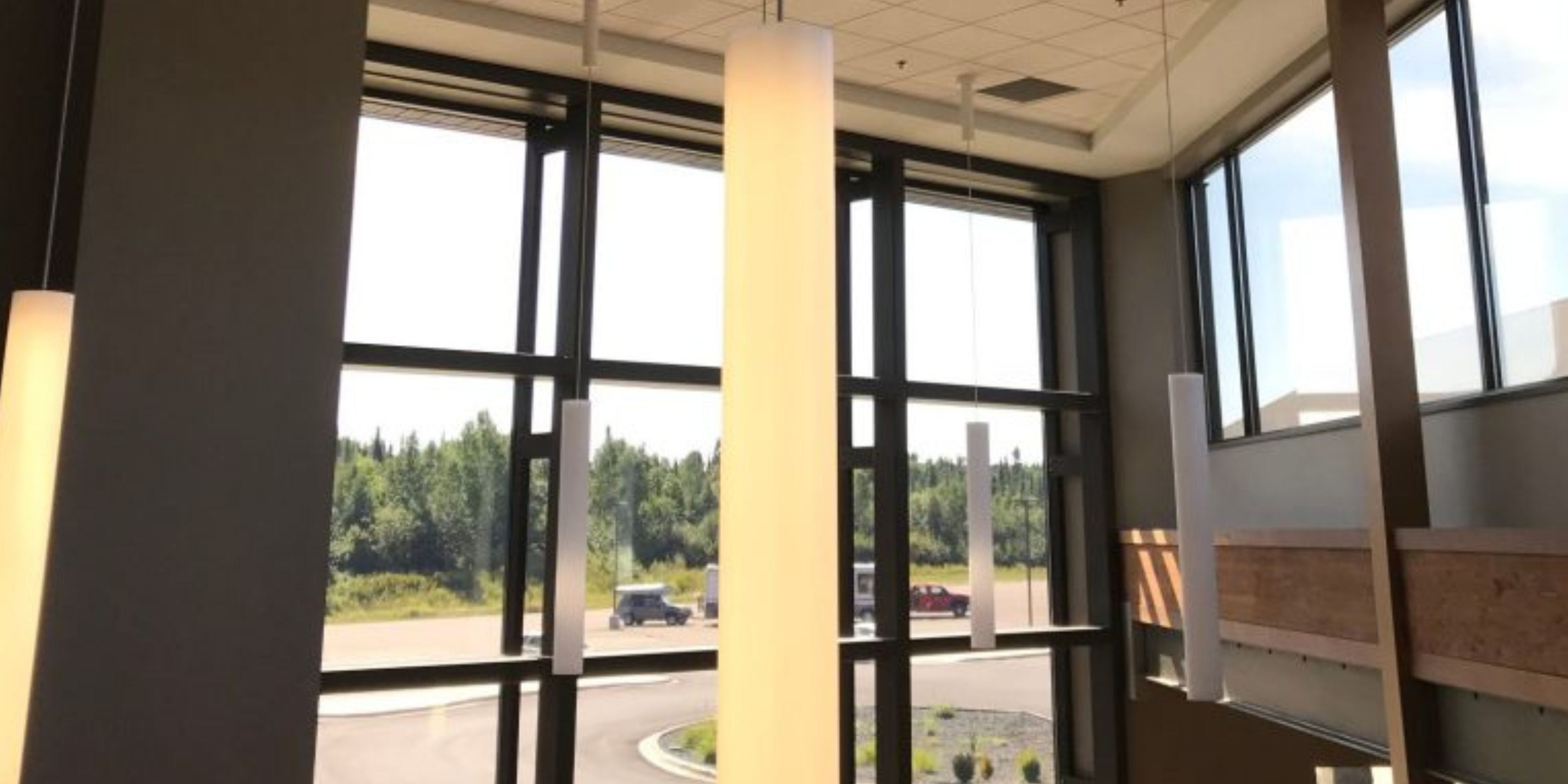
Noise has quietly become a measurable liability across three very different commercial sectors: offices, schools, and hospitals. Research from the University of California, Irvine found that workers need over 23 minutes to fully refocus after a single noise interruption, and a separate industry survey found that 70 percent of employees cite office noise as their primary daily distraction.
Noise reduction ceiling installation in Duluth and similar markets is no longer a comfort upgrade. It has become a documented driver of productivity, learning outcomes, and patient recovery.
The Open Office Cost Nobody Budgeted For
Return-to-office mandates have collided with acoustically unprepared buildings. Hard surfaces, exposed ductwork, and minimal soft furnishings, common in cost-driven commercial fit-outs, create an environment where sound has nowhere to go but across the entire floor.
Roughly two-thirds of workers report having no quiet space for focused work, despite most executives acknowledging that productivity depends on it. The gap between recognizing the problem and budgeting to solve it remains wide.
What Classrooms Reveal About Speech Intelligibility
The ANSI/ASA S12.60 standard sets a maximum background noise level of 35 decibels and a reverberation time under roughly 0.6 to 0.7 seconds for core learning spaces. Without those conditions, students can fail to understand a quarter or more of what a teacher says over the course of a lesson.
Fewer than a third of existing U.S. classrooms currently meet the standard, which makes ceiling-based sound absorption one of the more cost-effective retrofits a school district can make.
Hospitals Face a Regulatory Dimension Offices Don’t
Healthcare facilities carry an added requirement: HIPAA speech privacy. The Facility Guidelines Institute has incorporated HIPAA’s privacy expectations directly into its acoustic design standards, typically requiring a sound transmission class of 45 or higher between patient spaces.
Combined with a recommended daytime noise limit of 35 decibels in patient areas, a target frequently missed in practice, hospitals face acoustic requirements that are simultaneously about comfort, recovery, and legal compliance.
Buildings That Solve One Problem by Creating Another
Every one of these environments was designed with a reasonable goal in mind: open collaboration, better sightlines for teachers, easier-to-clean patient rooms. Each choice quietly introduced an acoustic problem nobody scheduled a meeting to approve.
Hard, reflective surfaces do exactly what they were specified to do, and reflecting sound relentlessly around a room is simply a side effect nobody assigned to anyone in particular. Fixing it afterward has become its own discipline.
Installing the Fix at the Source
Ceiling-based treatment addresses the plane of a room responsible for the most sound reflection, without disrupting furniture layout, sightlines, or infection control protocols. Contractors including Schaefer Acoustics, working across Northern Minnesota, report that acoustical sound panels in Northern Minnesota installations are increasingly specified alongside standard acoustic tile specifically to hit classroom or healthcare compliance targets, not just general comfort goals.
A Compliance Issue as Much as a Comfort One
As return-to-office mandates, classroom acoustic standards, and healthcare privacy regulations converge, noise reduction ceiling installation in Duluth and comparable markets has moved from a design preference to a measurable compliance and performance issue.
Buildings that treat acoustics as foundational, rather than decorative, are positioned to meet regulatory expectations while solving the productivity and wellbeing problems that noise quietly creates. That combination is likely to keep noise reduction near the top of the specification list for offices, schools, and healthcare facilities alike.